
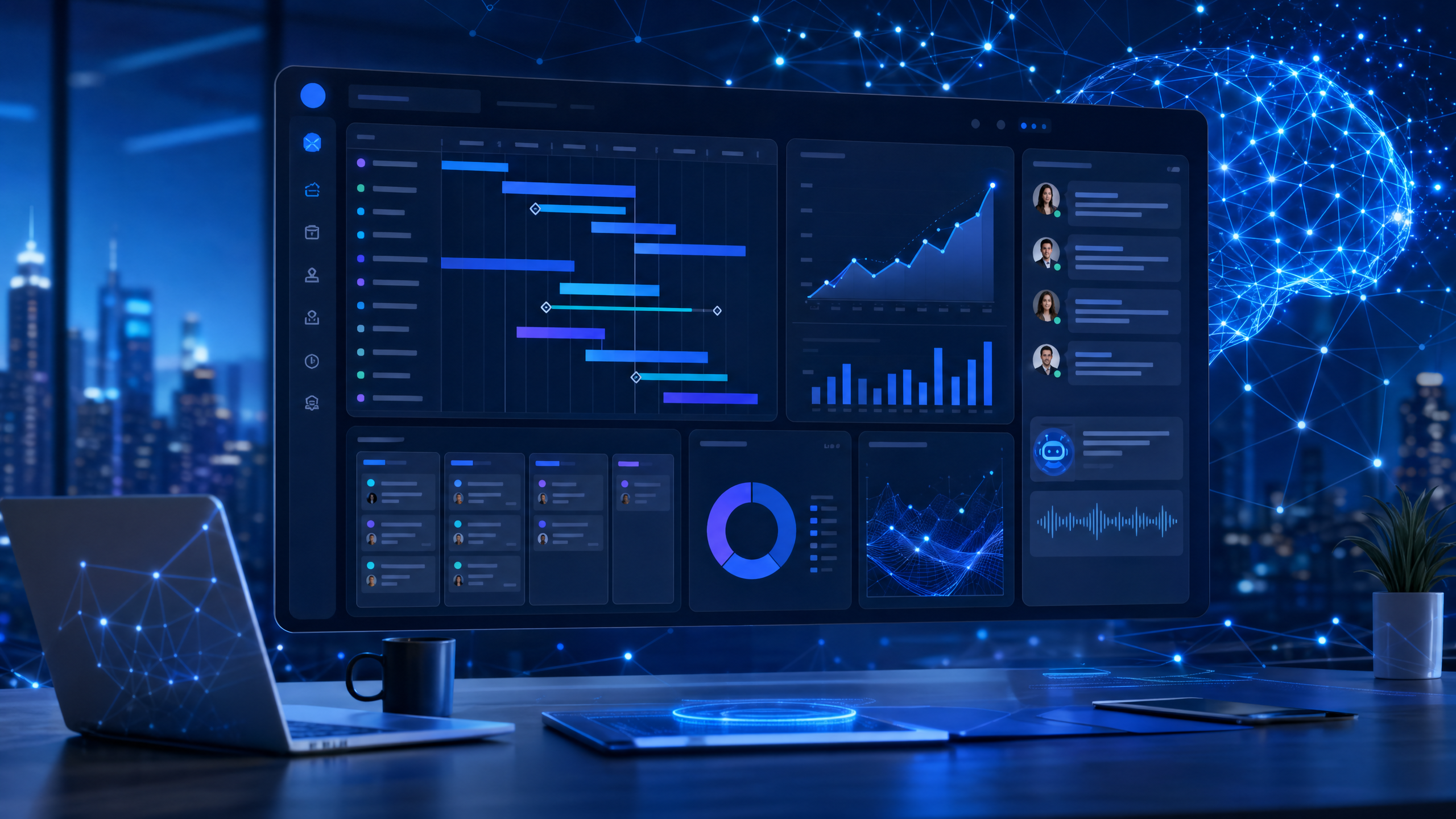
The Ultimate Guide to AI Project Management Tools 2026
Discover the most powerful AI-driven tools that are transforming how teams plan, execute, and deliver projects — faster, smarter, and with greater precision than ever before.
Introduction: The Dawn of Intelligent Project Management
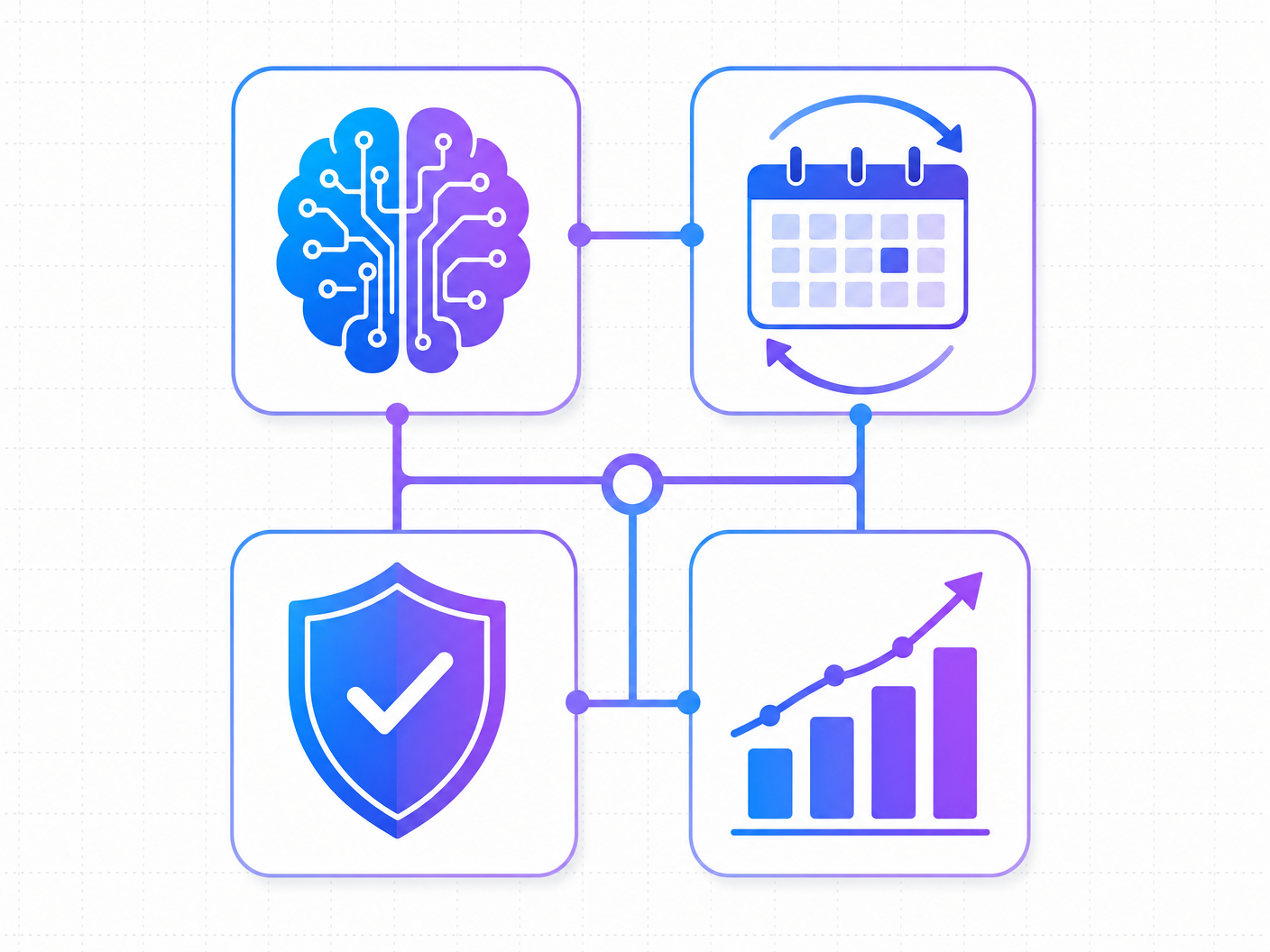
Project management, a discipline rooted in meticulous planning, execution, and oversight, has long been the backbone of successful endeavors across industries. From constructing ancient pyramids to launching modern satellites, effective project management has dictated the pace and outcome of human innovation. However, the complexities of contemporary projects — characterised by distributed teams, rapid technological shifts, and an ever-increasing volume of data — have pushed traditional methodologies to their limits.
Enter Artificial Intelligence (AI), a transformative force redefining the landscape of project management. In 2026, AI is no longer a futuristic concept but a practical, indispensable tool for project managers seeking to enhance efficiency, mitigate risks, and drive successful project delivery. The integration of AI into project management represents a paradigm shift: AI-powered tools process vast datasets, identify intricate patterns, and make predictions with a speed and accuracy far beyond human capabilities.
This comprehensive guide explores the world of AI project management tools in 2026 — covering core functionalities, key benefits, and a detailed comparison of the leading platforms — equipping project managers, team leaders, and business executives with the knowledge to select the right tools and harness the full potential of intelligent project management.
Key Features of AI Project Management Tools in 2026
📅 Intelligent Planning & Scheduling
AI algorithms analyse project requirements, resource availability, and historical data to generate optimised schedules. They dynamically adjust timelines based on real-time progress and resource changes, with automated task breakdown and predictive scheduling to flag conflicts before they arise.
⚠️ Risk Management & Predictive Analytics
AI tools detect subtle patterns that indicate potential risks — budget overruns, scope creep, or resource shortages — before they become critical. Early warning systems, scenario planning, and root cause analysis give project managers the foresight to act proactively rather than reactively.
📊 Automated Reporting & Insights
Real-time dashboards, performance analytics, and customisable reports replace manual report generation. AI highlights areas requiring attention and suggests actionable improvements, keeping all stakeholders informed with minimal administrative overhead.
💬 Enhanced Collaboration & Communication
AI-powered chatbots, smart notifications, and natural language processing streamline team communication. Sentiment analysis monitors team morale, while intelligent assistants answer common queries and facilitate seamless information flow across distributed teams.
💰 Budget Management & Cost Optimisation
AI meticulously tracks expenditures, forecasts future costs, and identifies savings opportunities. Budget deviation alerts notify managers the moment spending deviates from plan, while value engineering analysis identifies cost-effective alternatives without compromising quality.
🤖 AI-Powered Task Automation
Routine administrative tasks — status updates, meeting summaries, progress tracking, and deadline reminders — are handled automatically, freeing project managers to focus on strategic decision-making and stakeholder relationships rather than administrative overhead.
The Evolution: From Gantt Charts to AI Algorithms
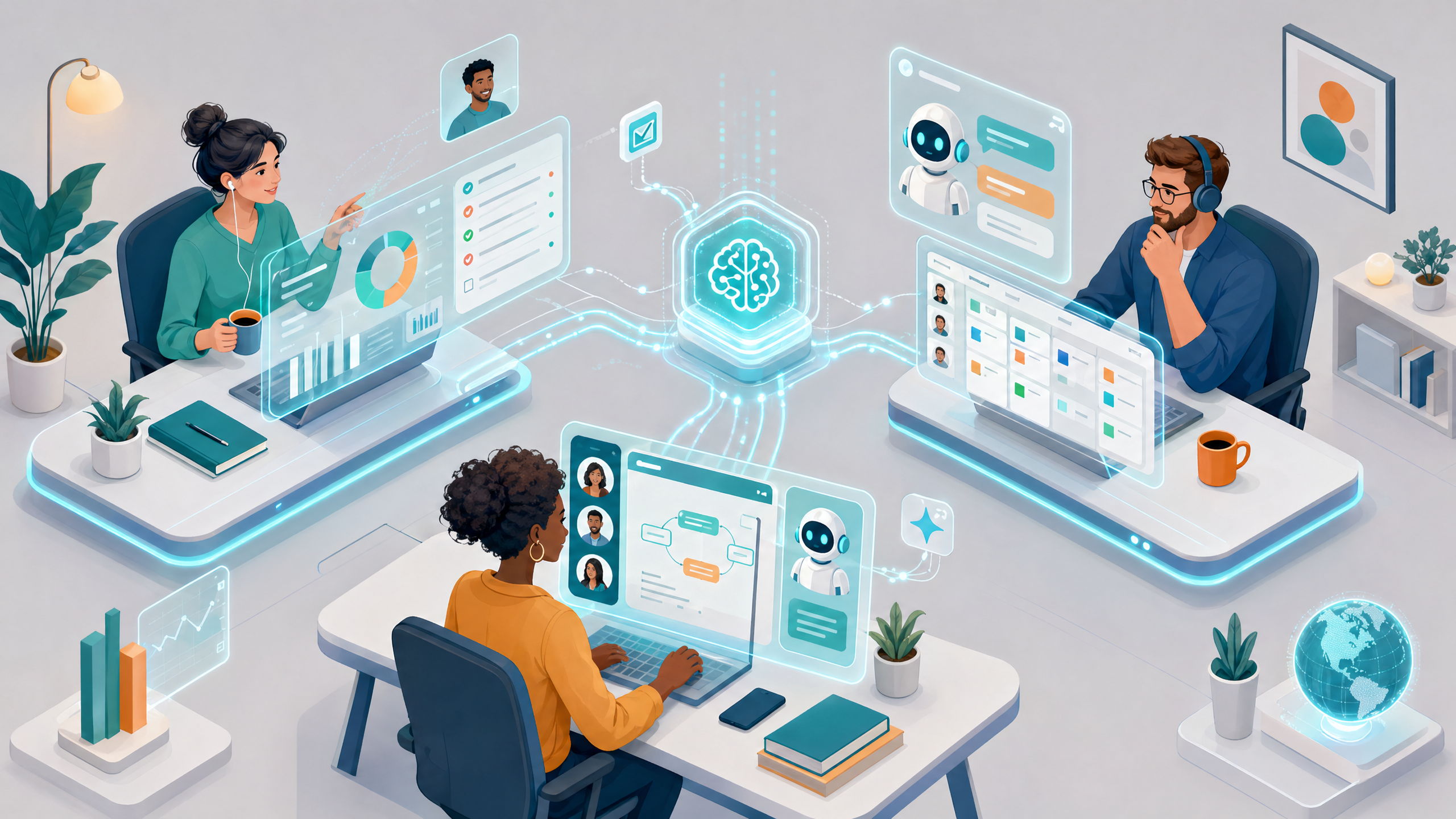
For decades, project management relied on Gantt charts, PERT diagrams, and critical path analysis — foundational methods that were manual, time-consuming, and prone to human error. Digital project management software brought significant improvements, automating many processes and facilitating collaboration. However, even these tools functioned as sophisticated organizers rather than intelligent assistants.
The current wave of AI integration marks the third major evolution in project management. Unlike previous iterations, AI tools don’t just track tasks — they learn from project data, predict outcomes, and offer actionable insights. This shift from descriptive to prescriptive and predictive project management is fundamentally changing how projects are conceived, planned, and executed across every industry.
The focus is no longer just on managing tasks but on intelligently guiding the entire project lifecycle — from initial scoping and resource planning through execution, monitoring, and post-project review. AI tools are becoming strategic partners for project managers, not merely administrative aids.
Top AI Project Management Tools Compared (2026)
| Tool | Best For | AI Capabilities | Starting Price |
|---|---|---|---|
| Monday.com AI | Teams of all sizes | Automation, AI summaries, predictive insights | $9/user/mo |
| Asana Intelligence | Enterprise workflows | Smart goals, AI status updates, risk detection | $10.99/user/mo |
| ClickUp AI | All-in-one teams | AI writing, task generation, sprint planning | $7/user/mo |
| Notion AI | Knowledge-driven teams | AI docs, Q&A, meeting summaries | $8/user/mo |
| Wrike AI | Complex enterprise projects | Risk prediction, resource forecasting, AI reports | $9.80/user/mo |
| Taskade AI | Freelancers & small teams | AI agents, task automation, mind mapping | $8/user/mo |
How to Choose the Right AI Project Management Tool
Selecting the most appropriate AI project management tool requires careful consideration of your organisation’s specific needs, team size, existing technology stack, and budget. The following criteria should guide your evaluation process:
- Team size and structure: Smaller teams benefit from intuitive, lightweight tools like Taskade or ClickUp, while enterprise organisations require the scalability and governance features of Wrike or Asana Intelligence.
- Integration requirements: Assess compatibility with your existing tools — CRM systems, communication platforms, code repositories, and financial software — to ensure seamless data flow.
- AI maturity: Evaluate the depth of AI capabilities beyond surface-level automation, including predictive analytics, natural language interfaces, and machine learning-driven recommendations.
- Security and compliance: For regulated industries, verify that the tool meets relevant compliance standards (GDPR, SOC 2, ISO 27001) and offers appropriate data residency options.
- Total cost of ownership: Factor in not just subscription costs but implementation, training, and ongoing administration when comparing platforms.
Ready to Transform Your Project Management?
Explore our in-depth reviews, comparisons, and guides to find the perfect AI project management tool for your team.