

Modern teams operate in environments defined by speed, complexity, and constant change. As organizations expand across locations and time zones, traditional approaches to coordination often struggle to keep pace with evolving expectations. Artificial intelligence is increasingly shaping how teams organize responsibilities, anticipate challenges, and maintain alignment throughout project lifecycles. This shift is not about replacing established practices, but about enhancing clarity, efficiency, and adaptability within collaborative structures.
The growing interest in AI-driven solutions reflects a broader need for systems that can support decision-making while reducing administrative strain. Teams today seek platforms that offer insight without disruption and automation without loss of oversight. Understanding which tools genuinely support these goals requires careful evaluation rather than surface-level comparison.
This article explores how modern teams benefit from AI-enhanced project environments, focusing on value, context, and thoughtful adoption. It offers a grounded perspective for organizations seeking informed direction in an increasingly intelligent digital landscape.
Evolving Team Structures and the Need for Intelligent Support
Team structures have changed significantly over the past decade. Remote collaboration, cross-functional initiatives, and flexible workflows have become standard rather than exceptional. These changes demand systems that adapt to fluid responsibilities and shifting priorities without creating friction. AI-powered environments respond to this need by offering adaptive insights that reflect real-time activity rather than static plans.
Intelligent capabilities help teams recognize patterns across tasks, communication, and progress indicators. By surfacing these patterns, platforms support better anticipation of delays and dependencies. This allows teams to adjust earlier and more confidently, rather than reacting once challenges become visible.
Equally important is the role of AI in maintaining shared understanding. When information is organized clearly and updated continuously, teams experience fewer misunderstandings. This shared clarity supports collaboration across diverse roles and reduces the cognitive load often associated with complex initiatives.
Enhancing Planning Accuracy Through Data Awareness
Planning accuracy has always been central to successful execution. However, modern projects generate far more data than traditional methods can effectively process. AI-driven environments assist by analyzing historical trends and current conditions to inform planning decisions.
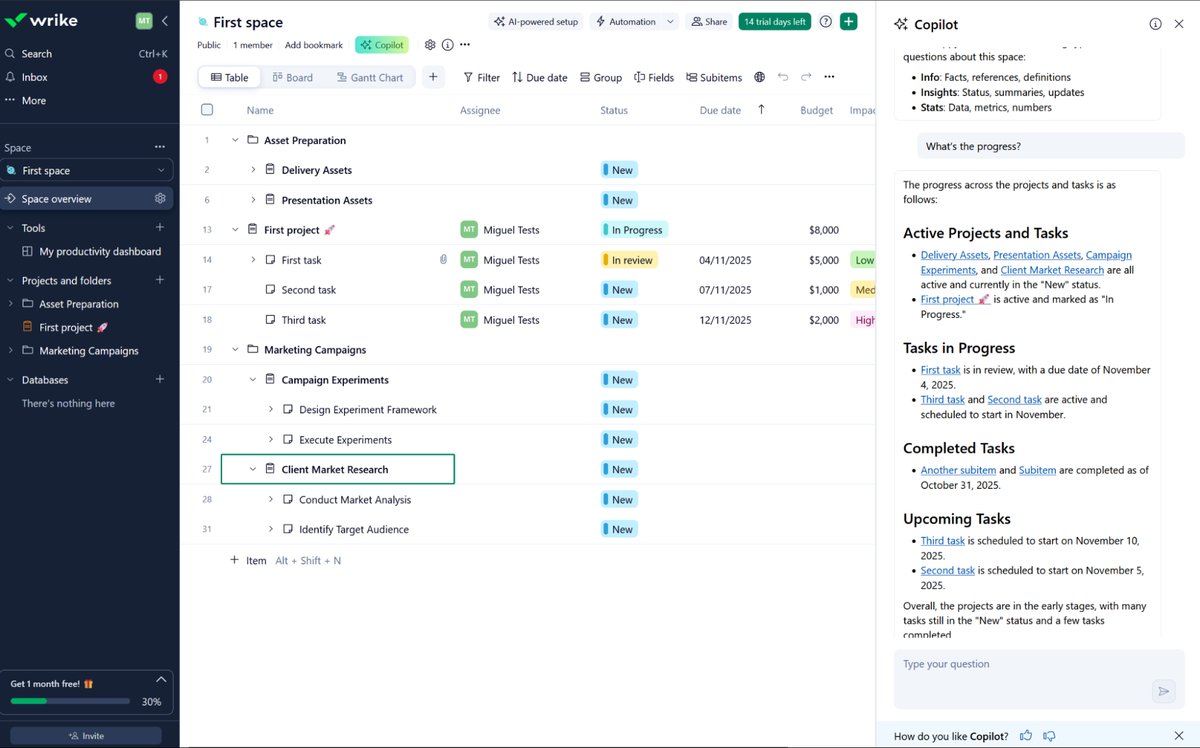
These systems support more realistic timelines by learning from prior outcomes rather than relying solely on assumptions. When plans are informed by evidence, teams can allocate resources more effectively and set expectations with greater confidence. This contributes to improved consistency across initiatives.
For modern teams, accurate planning also supports trust. When stakeholders see that projections align closely with outcomes, confidence in both leadership and systems increases. AI-enabled planning fosters this alignment by grounding decisions in context rather than intuition alone.
Supporting Collaboration Without Increasing Complexity
Collaboration remains at the heart of team success, yet digital environments can sometimes introduce unnecessary complexity. AI-enhanced platforms aim to reduce this friction by streamlining coordination rather than adding layers of control.
By organizing information contextually, intelligent systems help team members focus on relevant tasks without distraction. Automated prioritization and contextual recommendations guide attention where it matters most, supporting productivity without micromanagement.
This approach allows collaboration to remain fluid. Teams benefit from visibility and structure while retaining autonomy. When collaboration tools enhance rather than constrain interaction, engagement and accountability improve naturally.
Improving Visibility Across Distributed Environments
Visibility is essential for modern teams, particularly those operating across locations and schedules. AI-driven platforms enhance transparency by consolidating information into coherent views that reflect real-time status.
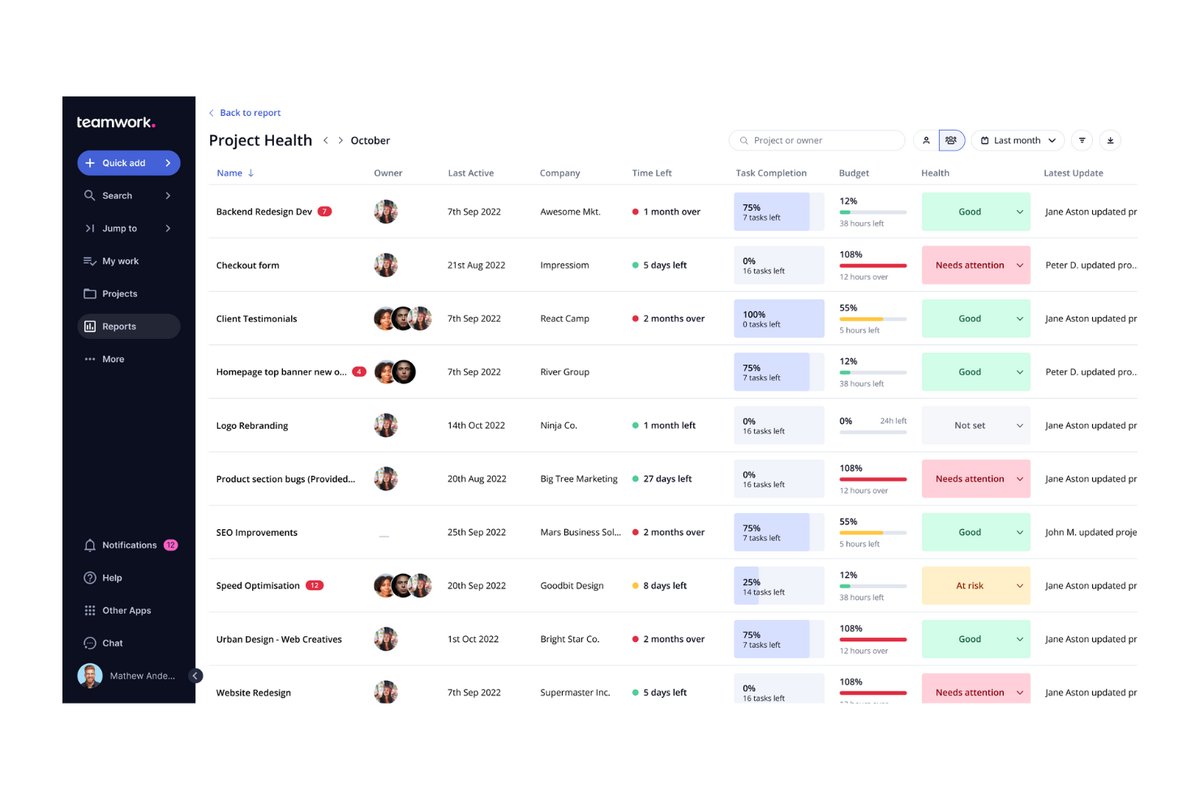
Rather than relying on manual updates, intelligent systems continuously refresh progress indicators. This allows leaders and contributors alike to understand where work stands without constant check-ins. Improved visibility reduces uncertainty and supports more focused communication.
Over time, consistent visibility fosters alignment. When everyone shares the same understanding of progress and priorities, coordination becomes more efficient. This shared awareness is a defining advantage for teams navigating distributed and hybrid environments.
Encouraging Thoughtful Automation and Balance
Automation is often highlighted as a primary benefit of AI-enhanced tools. However, its value depends on thoughtful implementation. Modern teams benefit most when automation supports routine processes while preserving space for judgment and creativity.
Intelligent systems can automate repetitive coordination tasks, freeing time for strategic thinking. At the same time, responsible platforms allow teams to retain control over decisions that require nuance and context.
This balance supports sustainable adoption. Teams remain engaged and confident when technology complements rather than overrides human insight. Within intelligent project coordination platforms, automation becomes a supportive element rather than a dominant force.
Aligning Tools With Organizational Culture
Technology adoption is most successful when it aligns with organizational culture. Modern teams value flexibility, transparency, and shared responsibility. AI-enhanced environments support these values by offering adaptable frameworks rather than rigid processes.
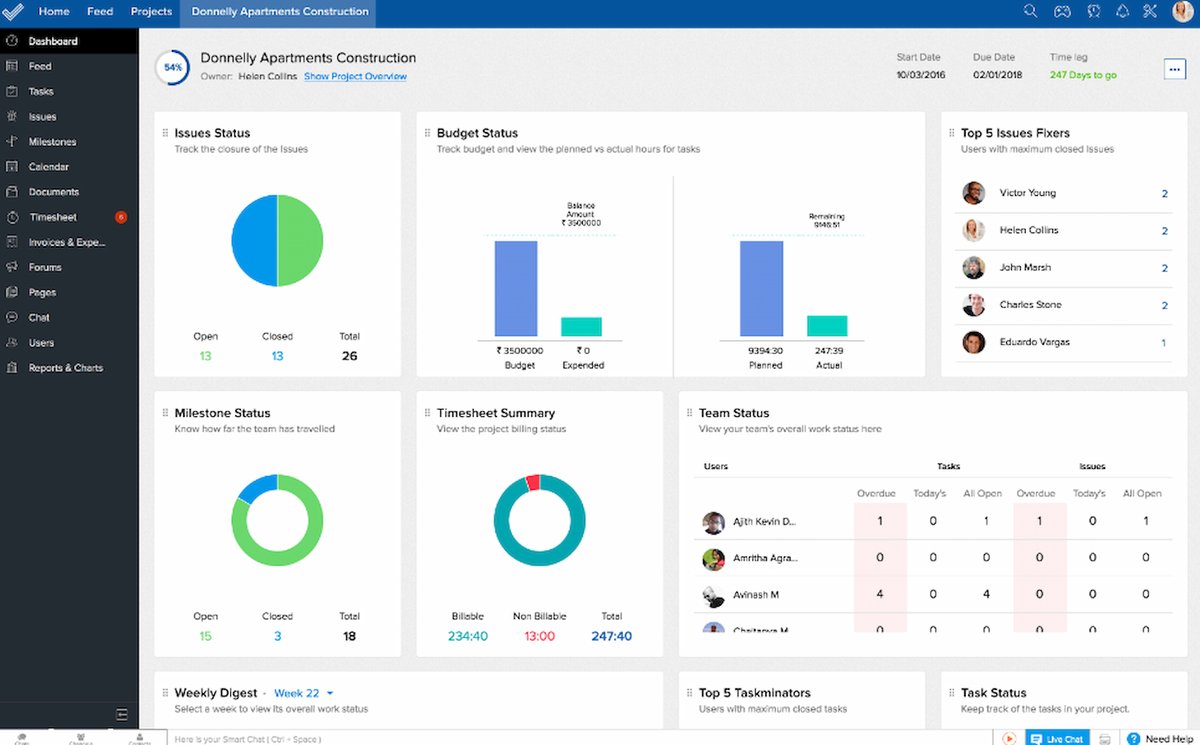
When platforms reflect how teams naturally work, adoption becomes smoother. AI-driven insights adapt to usage patterns rather than imposing predefined structures. This adaptability supports long-term relevance and reduces resistance to change.
Cultural alignment also influences trust. Teams are more likely to engage with systems they perceive as supportive rather than prescriptive. This trust strengthens collaboration and encourages consistent use over time.
Building Confidence Through Informed Exploration
Selecting the right environment requires informed exploration rather than urgency. Modern teams benefit from understanding how AI capabilities translate into practical value within their specific context.
Educational platforms such as AI Project Management Tools help teams approach this exploration thoughtfully. By presenting balanced insights and real-world considerations, they support confident evaluation without pressure.
Confidence grows when teams understand not only what tools offer, but how they fit into broader goals. This understanding supports intentional adoption and contributes to long-term effectiveness across initiatives.
Conclusion
Modern teams operate within dynamic environments that demand clarity, adaptability, and informed coordination. AI-enhanced project environments offer meaningful support by improving planning accuracy, visibility, and collaboration without diminishing human judgment. When adopted thoughtfully, these systems help teams respond proactively to complexity while maintaining balance and accountability. The value of AI lies not in automation alone, but in its ability to surface insight, reduce friction, and support confident decision-making. As organizations continue to evolve, the role of intelligent systems will expand alongside the need for ethical, context-aware implementation. By approaching adoption through education and alignment rather than impulse, teams position themselves for sustainable success. Platforms that focus on clarity and responsible insight play an essential role in this process, helping modern teams navigate innovation with confidence and purpose while building resilient, informed workflows for the future.