
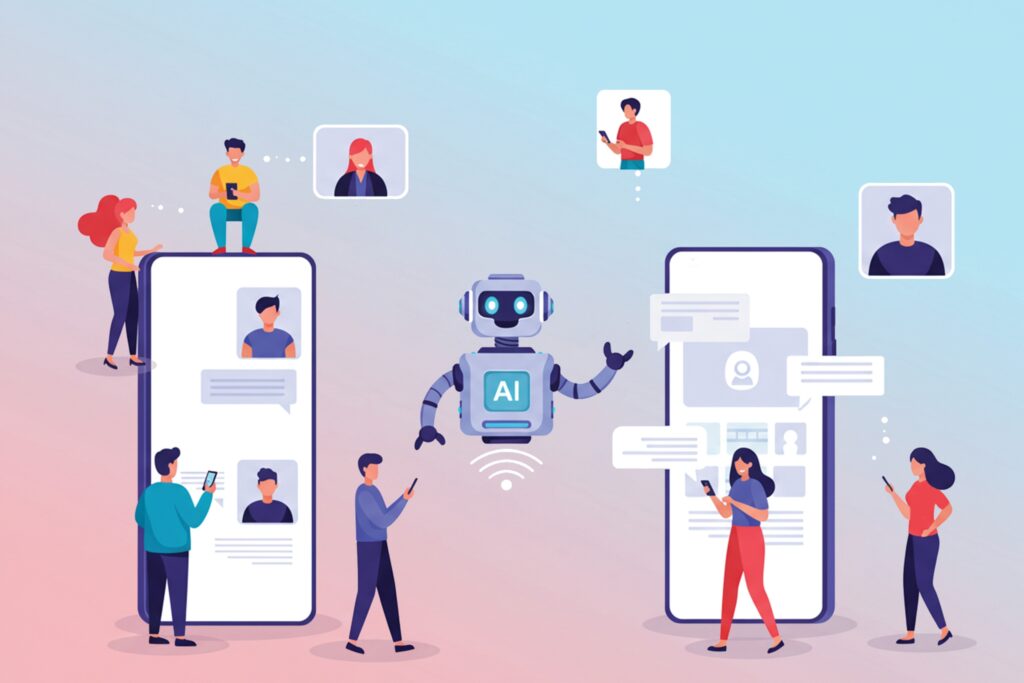
Planning and coordination form the foundation of effective execution in modern organizations. As work becomes increasingly interconnected and timelines grow more dynamic, traditional planning methods often struggle to maintain accuracy and alignment. Artificial intelligence is now influencing how teams approach these challenges by introducing adaptive insights and data-aware support into everyday workflows.
AI-enhanced environments assist teams by interpreting patterns across tasks, timelines, and collaboration activity. This intelligence supports more realistic planning while improving coordination across distributed roles and responsibilities. Rather than relying solely on static schedules or manual updates, teams gain access to continuously evolving context.
Understanding how these systems support smarter planning and coordination helps organizations evaluate value beyond surface-level automation. This article explores the practical role of AI-driven environments in shaping clearer workflows, stronger alignment, and more responsive coordination. It offers an informed perspective for teams seeking efficiency without sacrificing oversight or thoughtful decision-making.
Shifting From Static Plans to Adaptive Frameworks
Traditional planning often relies on fixed timelines and assumptions that quickly become outdated. AI-supported environments introduce adaptive frameworks that adjust as conditions change. These systems analyze historical data alongside real-time activity to refine projections continuously.
Adaptive planning supports resilience. When dependencies shift or workloads fluctuate, teams receive early indicators that allow timely adjustment. This responsiveness reduces disruption and supports smoother execution across complex initiatives.
By shifting planning from static documents to living frameworks, organizations improve alignment and reduce the gap between intention and reality. Planning becomes an ongoing process informed by insight rather than a one-time exercise.
Enhancing Coordination Through Shared Context
Coordination depends on shared understanding. When teams operate with fragmented information, misalignment increases. AI-enhanced platforms support coordination by consolidating activity into coherent views that reflect current priorities and progress.
Shared context reduces the need for constant clarification. Team members understand how their responsibilities connect to broader objectives, supporting smoother collaboration. Intelligent insights highlight relationships between tasks, enabling teams to anticipate coordination needs rather than reacting late.
This shared awareness strengthens accountability. Coordination becomes proactive and structured, supporting consistency without introducing unnecessary oversight.
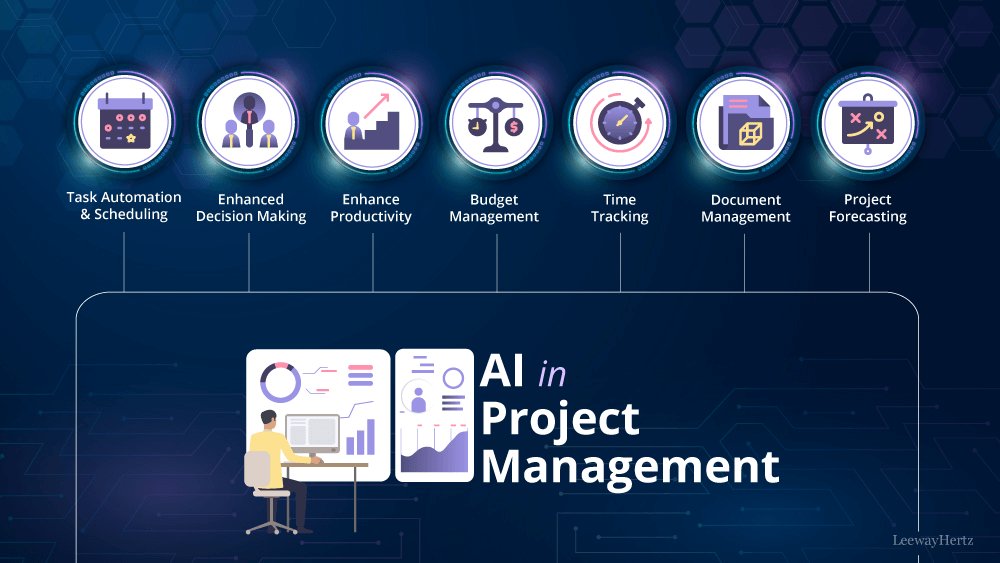
Improving Timeline Accuracy and Expectation Management
Accurate timelines are essential for managing expectations. AI-driven environments support timeline accuracy by learning from previous outcomes and current conditions. This learning informs estimates that reflect actual performance patterns rather than optimistic assumptions.
When timelines align more closely with reality, communication improves. Stakeholders gain confidence in projections, and teams experience less pressure from unrealistic expectations. Improved accuracy supports trust and transparency across organizational levels.
Smarter timeline management also reduces rework. By identifying potential delays early, teams can adjust resources and priorities before challenges escalate.
Supporting Cross-Functional Alignment
Modern initiatives often span multiple functions, each with distinct priorities. Coordination across these boundaries requires visibility and clarity. AI-supported platforms enhance cross-functional alignment by highlighting interdependencies and shared milestones.
Intelligent systems surface insights that help teams understand how their work influences others. This awareness supports more informed collaboration and reduces friction caused by siloed decision-making.
Cross-functional coordination benefits when intelligence reinforces connection rather than control. Teams remain autonomous while operating within a shared framework that supports collective outcomes.
Reducing Cognitive Load Through Intelligent Assistance
Planning and coordination demand constant attention. AI-enhanced environments reduce cognitive load by handling routine analysis and surfacing relevant insights. This assistance allows teams to focus on strategic thinking rather than administrative effort.
By filtering information contextually, intelligent systems prevent overload. Team members receive insights aligned with their responsibilities, supporting focus and efficiency.
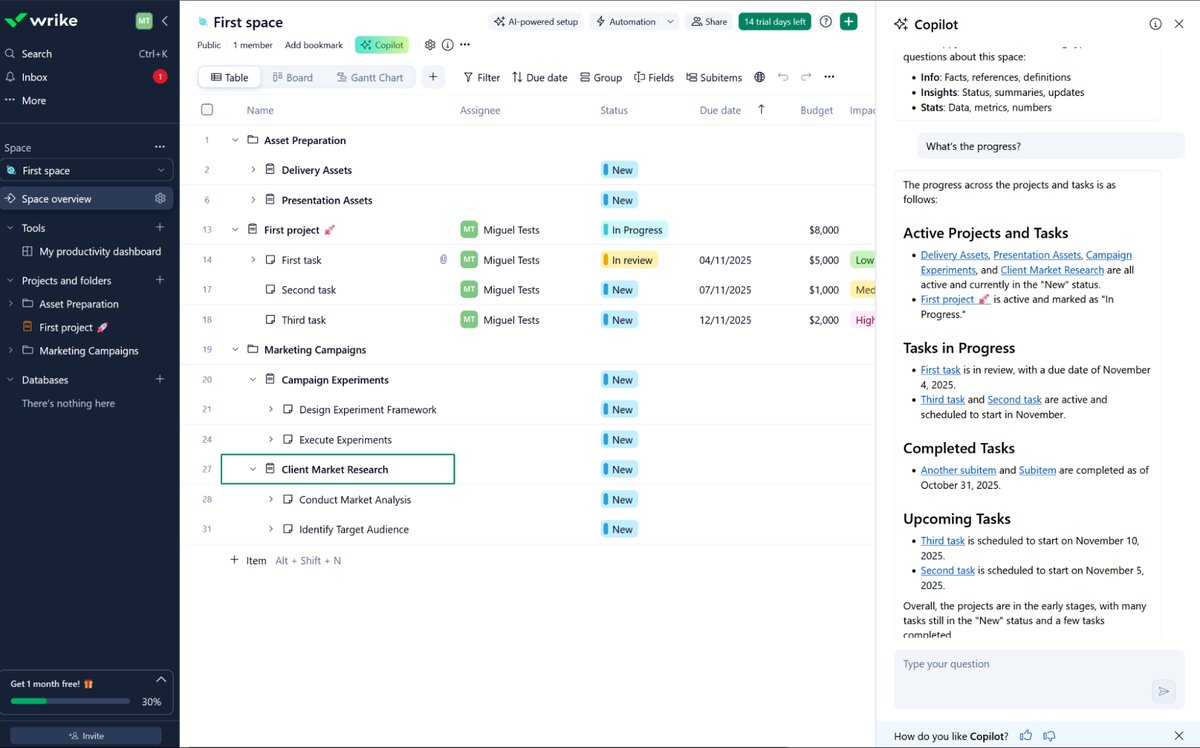
Reduced cognitive load contributes to sustainability. Teams maintain clarity and energy over longer initiatives, improving overall performance and engagement.
Encouraging Consistent Execution Across Teams
Consistency in execution is a challenge when conditions vary. AI-supported environments encourage consistency by reinforcing shared processes and highlighting deviations early.
Intelligent monitoring supports alignment without rigidity. Teams can adapt while remaining anchored to agreed frameworks. This balance supports reliable outcomes without constraining flexibility.
Within AI planning and coordination systems, consistency emerges naturally from visibility and insight rather than enforcement.
Integrating Planning Intelligence Thoughtfully
Effective integration of intelligence requires balance. Over-reliance on automation can obscure nuance, while underutilization limits value. Thoughtful integration ensures that AI supports human judgment rather than replacing it.
Teams benefit when systems provide insight while preserving decision authority. This approach fosters trust and encourages long-term adoption.
Platforms that emphasize education and clarity, such as intelligent work management platforms, help organizations integrate planning intelligence responsibly and sustainably.
Conclusion
AI-enhanced environments are reshaping how teams approach planning and coordination by introducing adaptability, visibility, and insight into everyday workflows. Rather than relying on static assumptions, organizations gain access to evolving context that supports more accurate planning and proactive coordination. These systems strengthen alignment across roles and functions while reducing cognitive strain and improving execution consistency. When adopted thoughtfully, AI-driven support enhances clarity without diminishing human responsibility. The greatest value emerges when intelligence complements experience, enabling teams to respond confidently to change. As work environments continue to evolve, organizations that invest in understanding and integrating these capabilities position themselves for more resilient, informed, and sustainable collaboration over time.