
Structured workflows are essential for organizations that rely on predictability, accountability, and clearly defined processes. As teams manage increasingly complex initiatives, artificial intelligence is becoming a valuable layer that supports coordination, planning accuracy, and visibility. Asana AI and Jira AI represent two distinct approaches to integrating intelligence into structured environments, each shaped by different operational philosophies and user needs.
While both platforms aim to enhance efficiency, their strengths emerge in different contexts. Asana AI emphasizes clarity and alignment across tasks and teams, while Jira AI is deeply rooted in process-driven execution and technical rigor. Understanding which environment better supports structured workflows requires more than feature comparison; it requires examining how intelligence aligns with organizational discipline and working styles.
This article explores how Asana AI and Jira AI support structured workflows, focusing on coordination, scalability, and long-term suitability. It offers a balanced perspective for teams seeking systems that reinforce structure while adapting to evolving demands.
Defining Structure in Modern Workflows
Structure in modern workflows extends beyond rigid processes. It involves clear ownership, predictable timelines, and consistent communication. Artificial intelligence supports this structure by reinforcing visibility and reducing ambiguity across tasks and dependencies.
Asana AI approaches structure through clarity and accessibility. Its intelligence supports planning by highlighting priorities and potential bottlenecks within a visually organized environment. This approach helps teams maintain structure while remaining adaptable.
Jira AI defines structure through formalized processes. Built for environments where precision and traceability are critical, its intelligence supports detailed workflows with defined states and transitions. This distinction shapes how each platform fits structured operational models.
Planning and Task Organization Capabilities
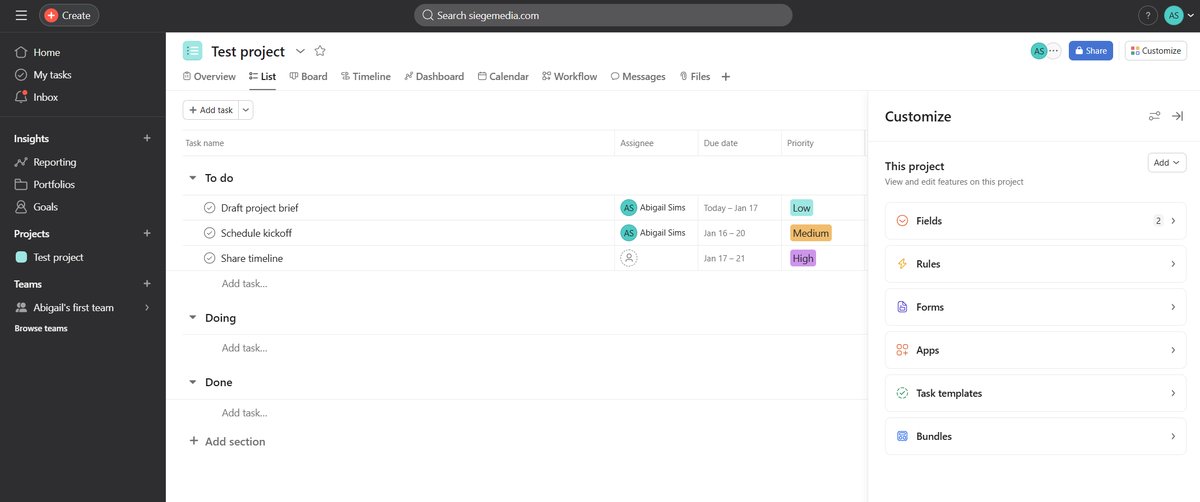
Planning is foundational to structured execution. Asana AI enhances planning by interpreting task relationships and assisting with prioritization. Its intelligence helps teams organize responsibilities clearly while maintaining flexibility across changing conditions.
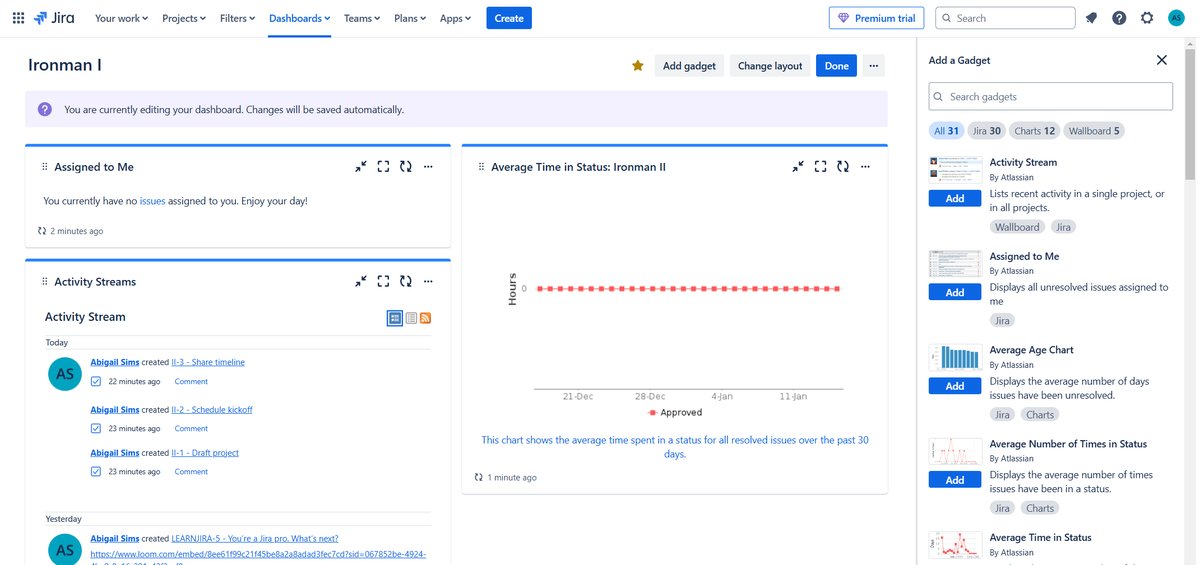
Jira AI supports planning within established frameworks. Its intelligence operates within predefined workflows, reinforcing consistency and control. This approach benefits teams that require strict adherence to process and documentation.
Both platforms support planning effectively, yet their methods differ. Asana AI favors clarity and ease of use, while Jira AI emphasizes discipline and formal structure. Teams benefit from aligning these approaches with their planning expectations.
Coordination Across Roles and Responsibilities
Coordination within structured workflows depends on shared understanding and predictable interaction. Asana AI supports coordination by presenting information in accessible formats that encourage alignment across roles. Its intelligence assists teams in maintaining visibility without overwhelming complexity.
Jira AI coordinates work through defined roles and workflow stages. Its intelligence reinforces accountability by ensuring tasks move through required processes. This structured coordination supports environments where precision and compliance are priorities.
These differences influence collaboration styles. Asana AI suits teams seeking structured yet approachable coordination, while Jira AI aligns with teams operating within formalized execution models.
Scalability and Process Consistency
As organizations grow, maintaining structure becomes increasingly important. Asana AI scales by supporting consistent planning practices across teams while adapting to varied workflows. Its intelligence evolves with usage patterns, enhancing insight without enforcing rigidity.
Jira AI scales through process replication. Teams can extend structured workflows across projects and departments, maintaining consistency through standardized configurations. Its intelligence supports this scalability by reinforcing defined rules and transitions.
Both platforms support growth, yet through different mechanisms. Understanding these models helps organizations choose environments that align with their scalability strategies.
Intelligence Integration and User Experience
User experience plays a significant role in adoption. Asana AI integrates intelligence in a way that feels supportive rather than intrusive. Insights are presented contextually, helping users stay informed without disrupting focus.
Jira AI integrates intelligence within process frameworks. Its insights support technical accuracy and execution integrity, though they may require familiarity with structured systems. This experience aligns well with teams accustomed to formal workflows.
The effectiveness of intelligence depends on user comfort. Platforms succeed when intelligence complements existing habits rather than challenging them unnecessarily.
Long-Term Suitability for Structured Environments
Long-term suitability depends on alignment with organizational culture. Asana AI supports structured environments that value clarity, collaboration, and adaptability. Its intelligence reinforces these values by maintaining visibility and alignment.

Jira AI supports environments that prioritize rigor, documentation, and technical precision. Its intelligence strengthens structured execution through control and consistency.
Evaluating long-term fit requires understanding how structure is defined within the organization. Structured workflow comparisons provide clarity by highlighting these contextual differences.
Strategic Evaluation Beyond Features
Feature comparison alone rarely determines success. Teams benefit from evaluating how platforms support structure in daily practice. Asana AI and Jira AI both offer intelligent capabilities, yet their value emerges through alignment rather than specification.
Resources such as AI enabled coordination tools help teams approach evaluation thoughtfully. By focusing on context and culture, organizations make decisions that support sustainable execution.
Strategic evaluation fosters confidence. Teams adopt platforms that reinforce their strengths and support long-term goals.
Conclusion
Asana AI and Jira AI both offer meaningful support for structured workflows, yet they reflect distinct philosophies regarding organization and execution. Asana AI emphasizes clarity, accessibility, and adaptive coordination, making it well suited for teams that value structured collaboration without excessive rigidity. Jira AI prioritizes process discipline, traceability, and technical precision, aligning closely with environments that require formalized workflows and compliance. Neither approach is universally superior; each supports structure in different ways. Organizations benefit most when platform selection is guided by operational context, cultural alignment, and long-term strategy rather than surface-level features. By evaluating how intelligence integrates into daily coordination, teams position themselves to adopt systems that reinforce consistency, accountability, and sustainable performance over time.