

Artificial intelligence is increasingly shaping how organizations approach coordination, planning, and oversight within project environments. As digital tools become more capable, teams are exploring how intelligent systems can support efficiency, visibility, and decision-making across complex initiatives. This growing interest reflects a broader shift toward data-informed operations and adaptive workflows.
At the same time, the integration of AI introduces important considerations. While intelligent capabilities offer meaningful advantages, they also require thoughtful evaluation to ensure alignment with organizational goals, culture, and responsibility. Understanding both the benefits and limitations allows teams to approach adoption with clarity rather than assumption.
This article examines how artificial intelligence influences project environments from a balanced perspective. By exploring value alongside constraints, it supports informed understanding rather than promotion. The discussion emphasizes practical impact, human judgment, and long-term sustainability, offering insight for organizations seeking to navigate intelligent systems with awareness and confidence.
Enhancing Awareness and Operational Visibility
One of the most significant benefits of AI in project environments is enhanced visibility. Intelligent systems analyze activity patterns and present insights that help teams understand progress and potential challenges more clearly.
This increased awareness supports proactive coordination. Rather than waiting for issues to surface through manual reporting, teams receive early signals that inform adjustment. Visibility becomes continuous rather than episodic, reducing uncertainty across initiatives.
Improved visibility also supports accountability. When information is accessible and contextualized, responsibilities are clearer. Teams experience alignment that strengthens trust and coordination over time.
Supporting More Informed Planning Decisions
AI-driven environments assist planning by interpreting historical and real-time data. This capability supports projections that reflect actual performance rather than assumptions alone.
More informed planning reduces the gap between expectation and outcome. Teams allocate resources more effectively and set timelines grounded in evidence. This alignment improves consistency and reduces disruption during execution.
However, planning insight depends on data quality. Intelligent systems reflect available information, making thoughtful interpretation essential. Human judgment remains central to evaluating recommendations within context.
Improving Efficiency Through Targeted Automation
Automation is often associated with AI adoption. In project environments, targeted automation reduces repetitive administrative tasks, allowing teams to focus on strategic responsibilities.
Intelligent assistance supports efficiency without eliminating oversight. Automation handles routine coordination while teams retain control over decisions requiring nuance and experience.
The limitation arises when automation is applied without balance. Over-automation can obscure context or reduce engagement. Effective environments integrate automation thoughtfully to enhance rather than dominate workflows.
Strengthening Coordination Across Distributed Teams
Distributed work environments benefit from AI-supported continuity. Intelligent systems maintain visibility across asynchronous activity, supporting coordination without constant interaction.
This continuity reduces friction caused by time zone differences and fragmented communication. Teams remain aligned even when working independently.
At the same time, reliance on intelligent systems requires trust. Teams must understand how information is generated and interpreted. Transparency supports confidence and effective collaboration.
Addressing Complexity Without Oversimplification
AI excels at managing complexity by identifying patterns across multiple variables. In project environments, this capability helps teams navigate interconnected tasks and dependencies.
However, complexity reduction must not oversimplify reality. Intelligent insights provide guidance, but they do not replace contextual understanding. Effective use involves interpreting recommendations within broader organizational knowledge.
This balance ensures that AI supports comprehension rather than masking nuance. Teams benefit most when intelligence enhances perspective rather than narrowing it.
Ethical and Cultural Considerations
Beyond functionality, AI adoption carries ethical and cultural implications. Transparency, accountability, and responsible use influence trust within teams.
Project environments thrive when technology aligns with organizational values. AI systems must support collaboration and clarity without undermining autonomy or responsibility.
Thoughtful AI project environment analysis helps organizations recognize these considerations early. Ethical alignment strengthens adoption and reinforces long-term sustainability.
Recognizing Limitations as Part of Responsible Adoption
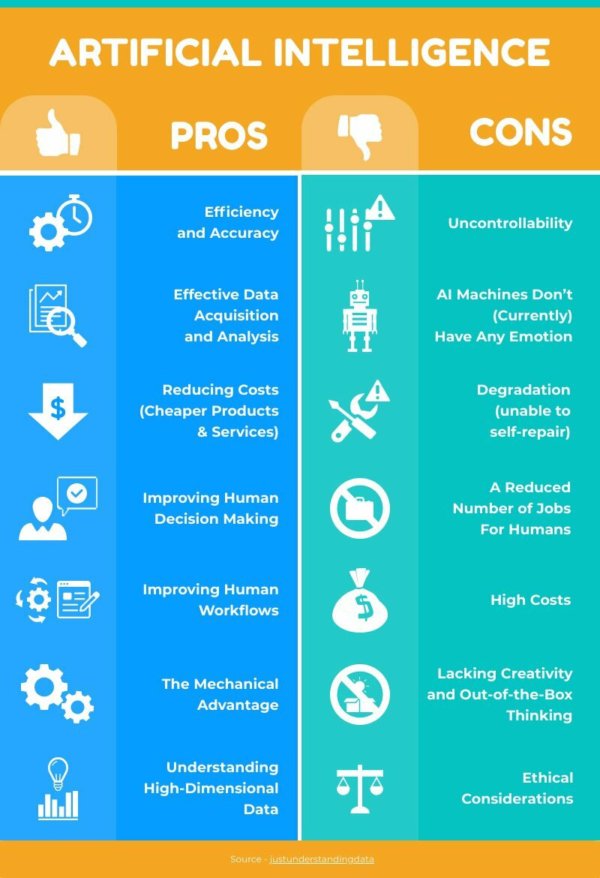
Limitations are inherent in any system. AI depends on data, configuration, and context. Misalignment in any of these areas reduces effectiveness.
Recognizing limitations supports realistic expectations. Teams approach AI as a supportive tool rather than a solution in itself. This mindset fosters responsible integration and continuous improvement.
Resources such as advanced project intelligence resources help organizations understand both potential and constraint. Informed awareness supports confident, balanced adoption.
Conclusion
Artificial intelligence offers meaningful benefits within project environments by enhancing visibility, supporting informed planning, and improving coordination efficiency. When applied thoughtfully, intelligent systems help teams navigate complexity with greater clarity and responsiveness. At the same time, limitations remind organizations of the importance of balance, context, and human judgment. AI reflects available data and design choices, making responsible interpretation essential. Successful adoption depends on understanding both value and constraint, ensuring that intelligence supports rather than overrides collaborative practices. By approaching AI integration through awareness, ethical consideration, and long-term alignment, organizations position themselves to realize sustainable benefits. Informed exploration encourages confidence, allowing teams to leverage intelligent capabilities while preserving accountability, transparency, and purposeful coordination across evolving project environments.